10 Best Mom Cars Brett Berk

Certainly if you're in the US, your mother is your "mom" - short for "mommy" and in the UK, Australia and New Zealand it's "mum" - shortened from "mummy". Canada uses both (or even "maman" in French-speaking Quebec). Takedown request | View complete answer on writerscentre.com.au.
Australian Mom's Incredible Long Legs Rivals Russian Guinness Record Holder

The main difference between 'Mom' and 'Mum' lies in the region where these words are used. In the United States, people say 'Mom' to refer to their mother. Meanwhile, in the United Kingdom, Australia, and other parts of the Commonwealth, people use the word 'Mum'.Both words mean the same thing: they are terms of affection for one's mother.
Mums PluggedIn Virtual Mothers Group The Parents Village

Mom and Mum are two spellings of the same word, both of which are used to refer to a mother. However, the spelling varies based on the country and its linguistic culture.. This spelling is used in the United Kingdom, Australia, and other countries that follow British English spelling conventions. Both words are considered to be more informal.
25 Incredibly Touching Wildlife Photos of Animal Moms and their Babies. if it's hip, it's here

Both "mom" and "mum" are considered short forms for other terms. "Mom" is considered to be a noun, shortened from the word "mother" or "mommy". A "mother" is defined as the female parent or matriarch of the family. Contrastingly, "mum" is considered to be both a noun and an adjective. "Mum" can be a shortened.
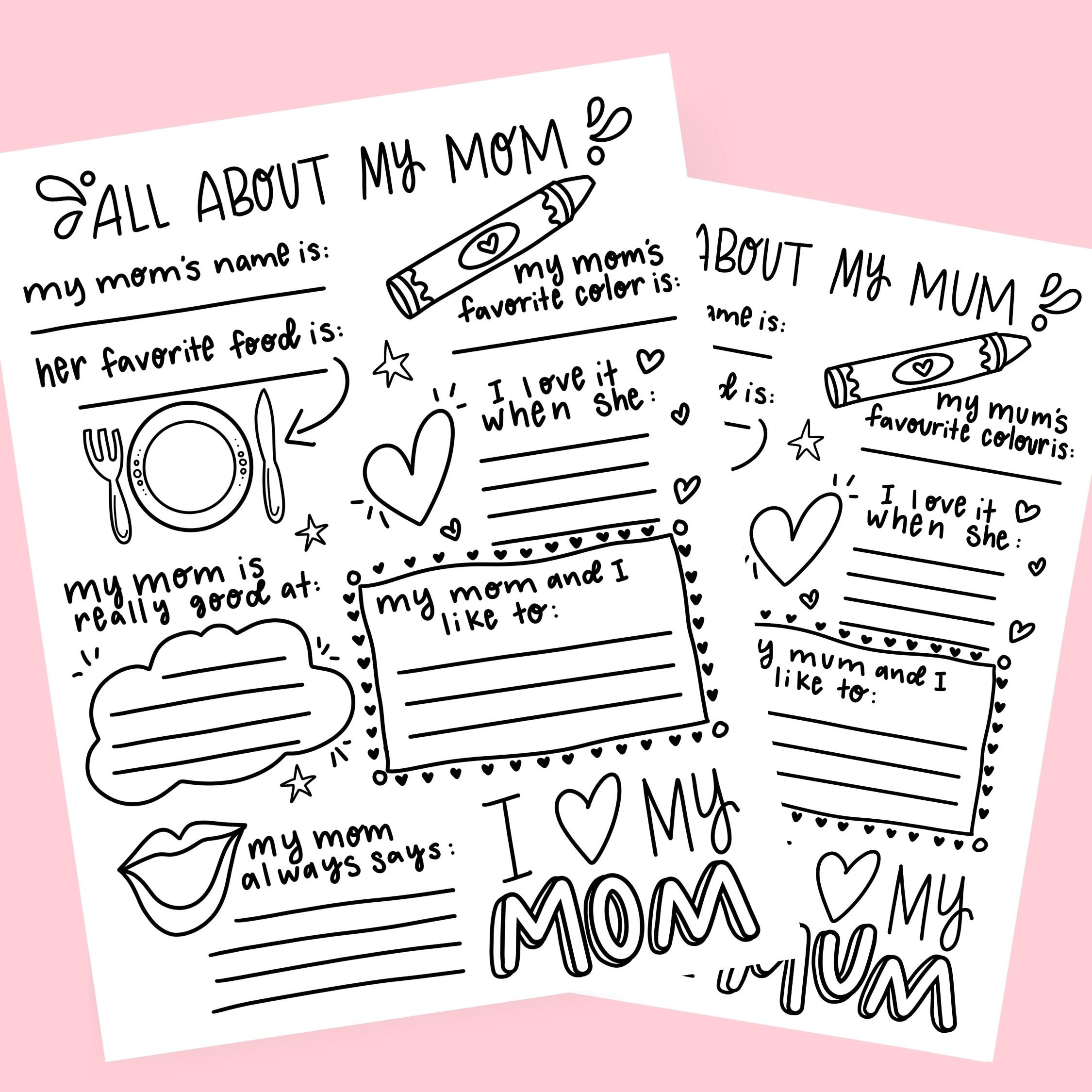
All About My Mom Mum Fill in the Blank Printable for Etsy Australia
What country says mum instead of mom? A: Well, sort of. Certainly if you're in the US, your mother is your "mom" - short for "mommy" and in the UK, Australia and New Zealand it's "mum" - shortened from "mummy". Canada uses both (or even "maman" in French-speaking Quebec). Ireland and some parts of Britain opt for.
Mom Life Go Red for Women

February 19, 2024 by Mum in Australia. BAFTAs 2024: Celebrating Movies, TV, and People Who Make Them Great The BAFTA Awards are like a big party where. Read more. iPhone 12. February 18, 2024 by Mum in Australia. Discover the Pros and Cons of the iPhone 12 before you buy: A Complete Guide Welcome to the world of.
Media Page
Mum is common in Australia and the UK (especially England).; Mam is common in Ireland, Wales and parts of northern England.; Mom is most associated with American English.; These are all accepted terms for 'mother' in one place or another, so your preference will usually depend on where you grew up. And the 'correct' spelling will depend on the dialect in question.
How Mother’s Day came about News FamilyVoice Australia

According to Etymonline, diminutives of 'mother' in English—such as 'mom', which uses the central nearly open vowel /ɒ/, and 'mum', which uses the back open-mid vowel /ʌ/—, are offshoots from 'mamma' which date back to the 1570s. 'Mamma' is most likely a reduplication (the repetition of a sound) of the simple 'ma.
Mother’s Day Brisbane Photo galleries and messages of love to mums The Courier Mail

Tip: See my list of the Most Common Mistakes in English.It will teach you how to avoid mistakes with commas, prepositions, irregular verbs, and much more. The difference between "mum" and "mom" is the same as the one between "colour" and "color" — the former is used predominantly in British English (and in other Commonwealth nations) and the latter in American.
Mothers Day Australia Walk / Mothers Day Craft! Australian Bush Themed Craft! / Happy mothers

As an adjective, mum is a synonym of silent, like in the phrase mum's the word. As a noun, mum has two meanings. A mum is a type of flower often grown for decorative purposes. It is also an alternative spelling of mom, where it means mother. Mom is more common in American English, while mum is more common in British English.
Mother’s Day Brisbane Photo galleries and messages of love to mums The Courier Mail

A: Well, sort of. Certainly if you're in the US, your mother is your "mom" - short for "mommy" and in the UK, Australia and New Zealand it's "mum" - shortened from "mummy". Canada uses both (or even "maman" in French-speaking Quebec). Ireland and some parts of Britain opt for "mam" - from "mammy". And.
Australian Mothers Day Gift Ideas Australian mothers day, Mother's day gifts, Gifts in a mug

In Australia, the usage of "mom" and "mum" is relatively similar. Both terms are considered correct and appropriate when referring to one's mother. According to a survey conducted in Australia, around 55% of the participants use "mum" as a way to address their mother, while 45% use "mom". However, it's important to note that these percentages.
About My Mum Template Be A Fun Mum Mothers day poems, Australian mothers day, Mother's day

Here's a comparison of three different dialects, and their "mom" pronunciations (don't worry if you aren't proficient in IPA — I'll explain after): London: "mum" — [mɐm] General American: "mom" — [mɑm] Manchester, UK: "mam" — [mam] Whether you understand the IPA symbols above or not, the point is that in these.
What Australian mums want for Mother's Day 2014
Here are Top 100 Australian Mom Influencers. 1. Nicole Warne Shadbolt. Bio Open heart, open mind 🌿 NYC Ambassador for @adoptchangeau and @wwf_australia Instagram Handle @nicolewarne Instagram Followers 2.3M Get Email Contact. 2. Jessica Stein.
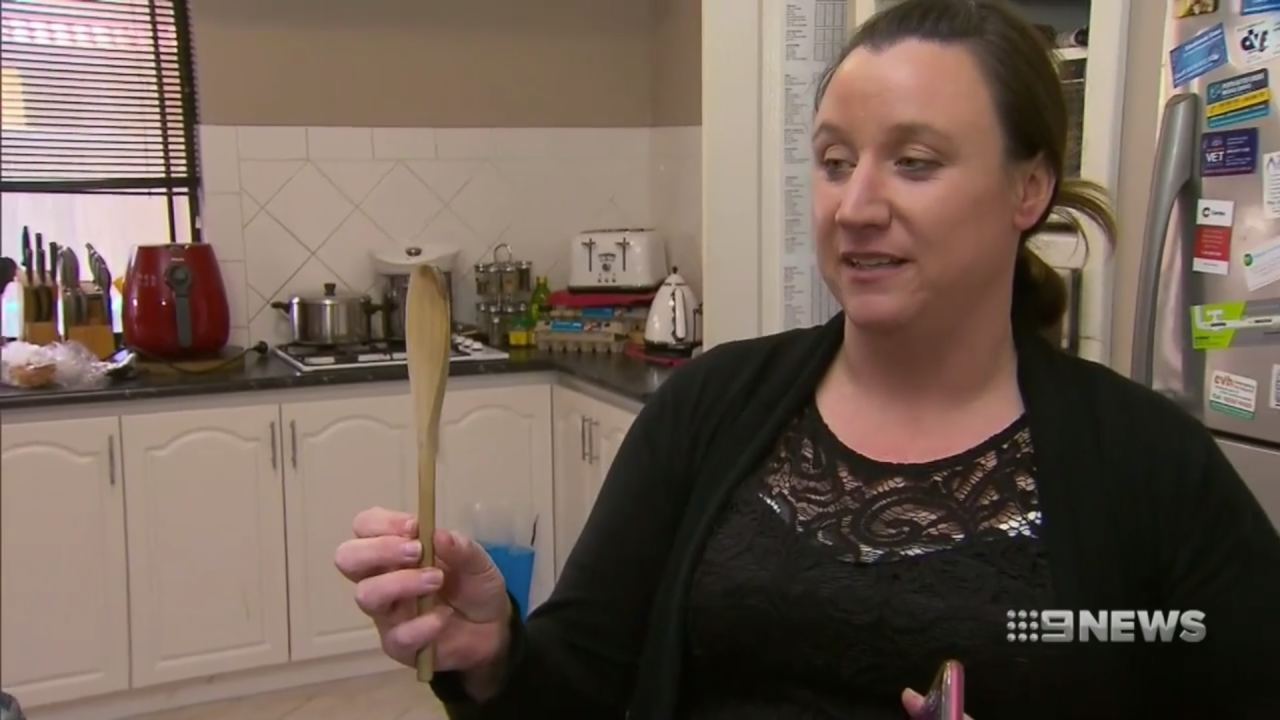
Perth mum fined 750 for smacking daughter with wooden spoon OverSixty
Similarly, in Australia, "mum" is the preferred term, while in New Zealand, "mum" and "mom" are used interchangeably. Personal Preference. Finally, personal preference can also influence the choice between "mommy" and "mummy." Some parents might choose one term over the other simply because they like the way it sounds or.
Mum Birthday, Perth, Australia, Mother, Mom Birthday

It is the preferred spelling and pronunciation in Australia. What nationality says mum instead of mom? The use of "mum" instead of "mom" is more commonly found in British countries. This includes the United Kingdom, Australia, New Zealand, and other Commonwealth countries. It is a common term of endearment for mothers in these countries.
.

