30 Japanese Dishes You Need To Try At Least Once
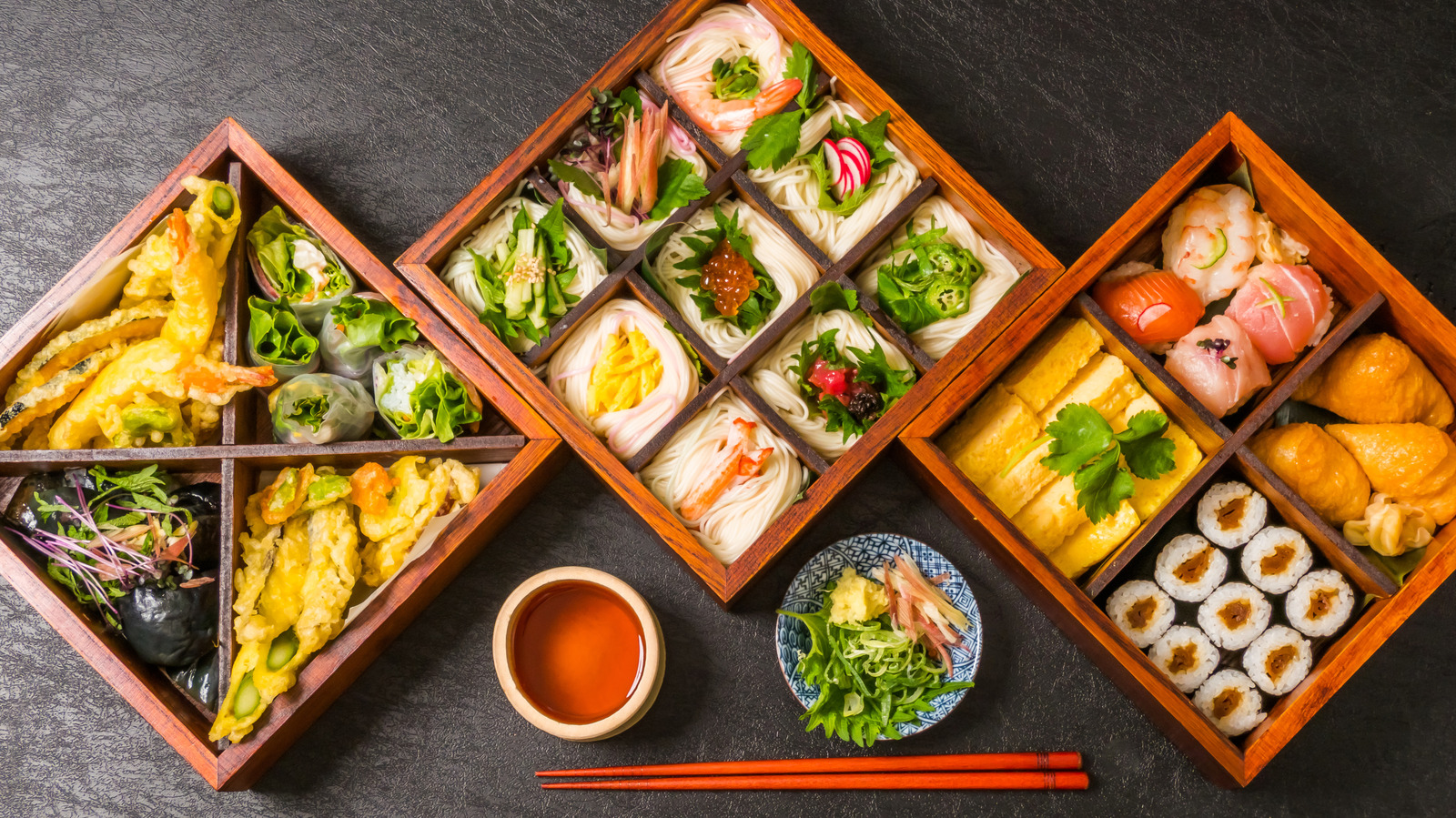
https://bit.ly/2PQXpZ5 Click here to start learning Japanese with the best free online resources ↓ Check How Below ↓Step 1: Go to https://bit.ly/2PQXpZ5Step.
Explore Traditional Japanese Food and Recipes
:max_bytes(150000):strip_icc()/ten-zaru-soba-139722975-5b06303d43a10300385c0d0d.jpg)
Itadakimasu - (i-ta-da-ki-ma-su) You can say thank you for the food in Japanese several ways. But first we will focus on the two most direct and formal ways.It is customary to say, "Itadakimasu" (i-ta-da-ki-ma-su), before you eat. This means Let's eat. The expression itadakimasu shows you understand and appreciate all the effort that.
Japanese Food 45 Dishes to Eat in Japan TinySG
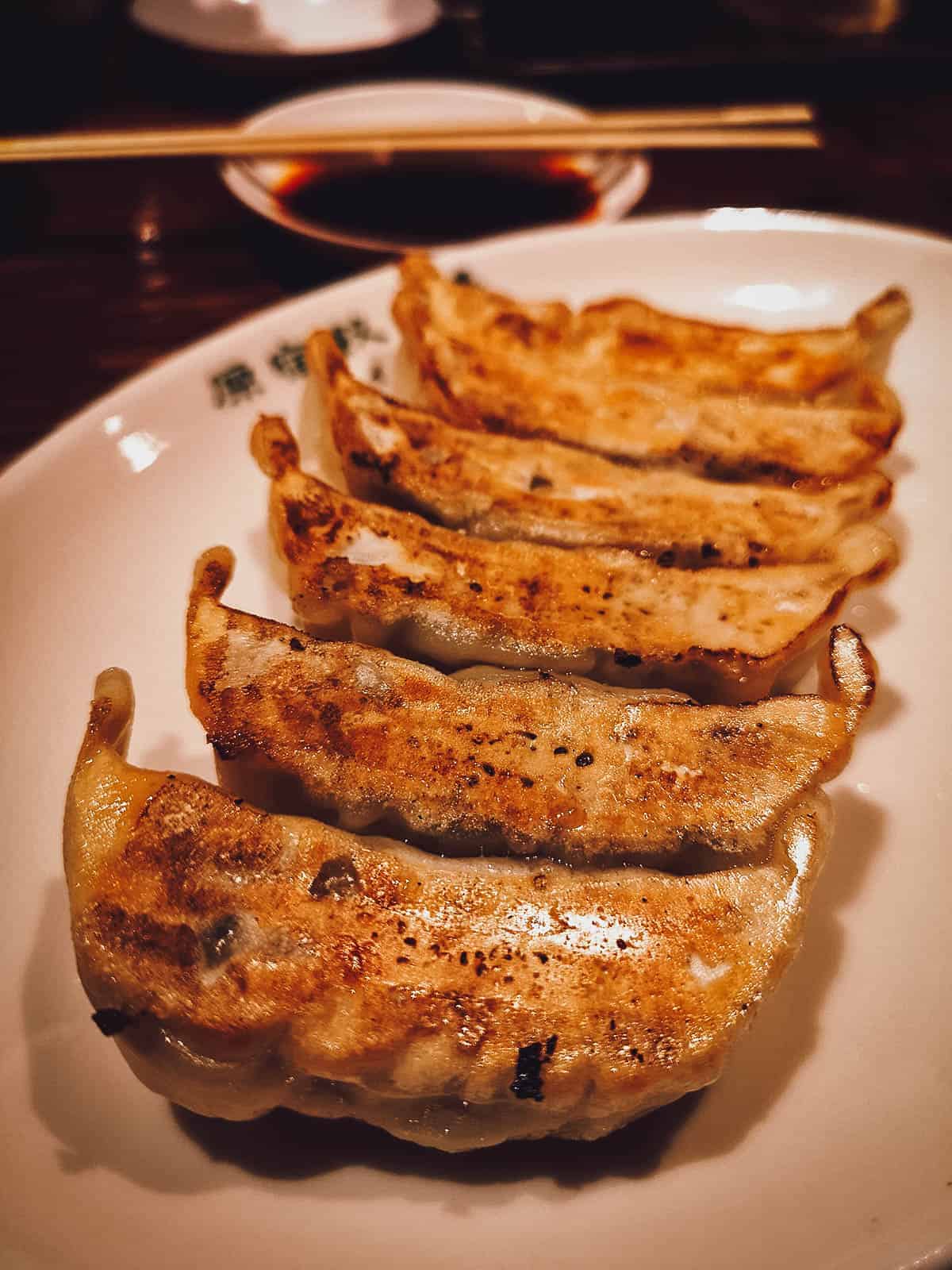
Saying thanks for the food is an important part of Japanese culture. It shows your appreciation and gratitude to the person who prepared the meal. If you're dining in Japan or enjoying Japanese cuisine elsewhere, here are a few ways to express your thanks for the food in Japanese:
Top 21 Must Try Foods of Japan

いただきます (itadakimasu) is a Japanese phrase used before meals as an expression of thanks and acknowledgment for the food about to be eaten. Literally, itadakimasu translates to "I will humbly receive.". There aren't any direct equivalents to this uniquely Japanese expression, but the French "bon appétit" has a similar use.
What to eat in Japan Travel guide Audley Travel US
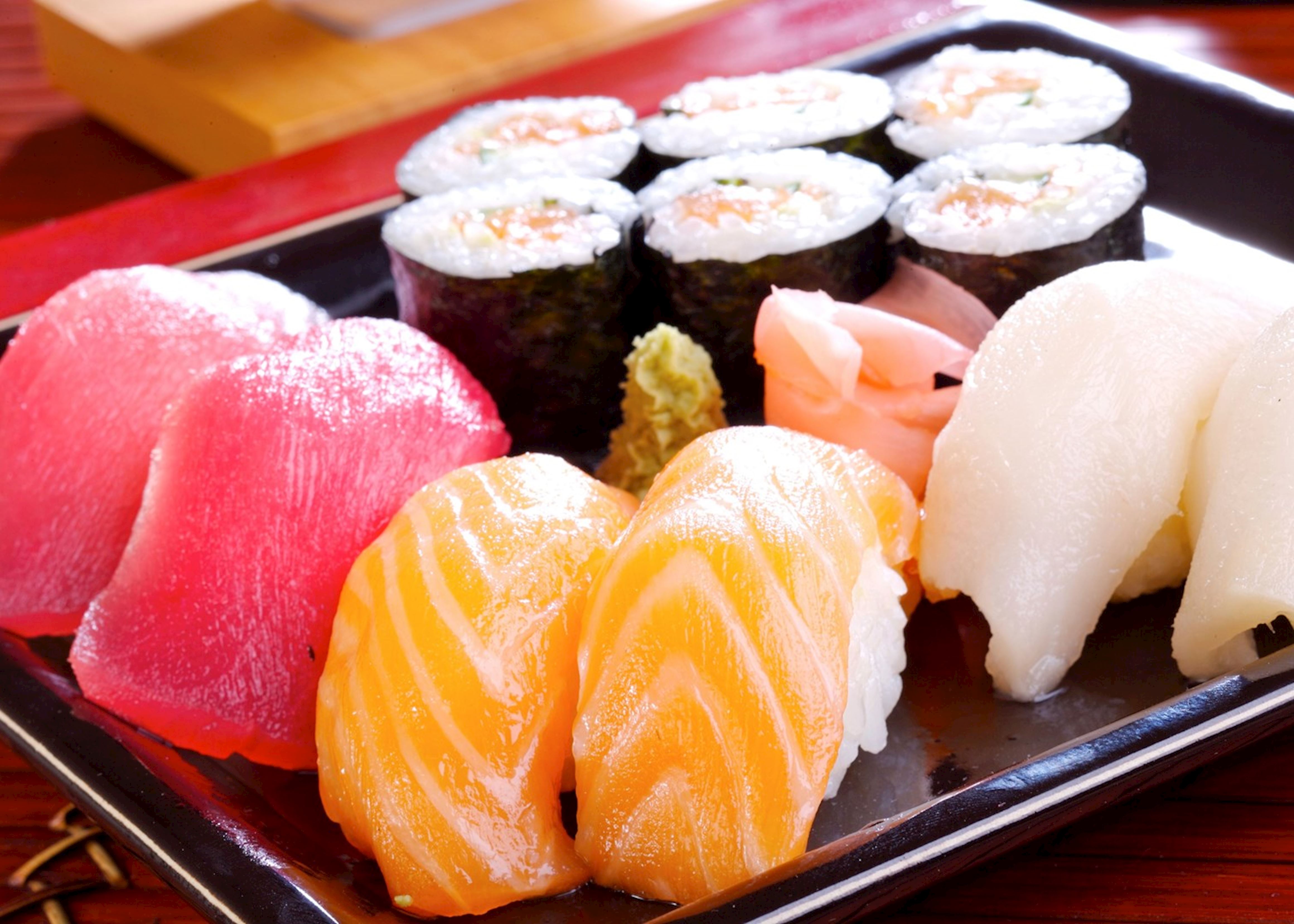
Osoreirimasu. "Osoreirimasu" is a formal way to thank someone for a favor. This phrase is often used in business settings and is usually someone's way of thanking another person for a favor or service they provided. This is a stronger version of suminasen and is usually translated as, "I'm deeply sorry.".
Japanese Food Japan Sashimi Free photo on Pixabay

To say "thank you for the food" in Japanese, use the phrase "gochisou-sama desu" (ごちそうさまです). This phrase can be used at any time during or after a meal, but it is most commonly said at the end of a meal as an expression of gratitude and appreciation. 4. Other Ways to Express Gratitude for a Meal in Japan
Food Infographic 42 Japanese Delicacies Explained

Learn how to say " thank you for the meal " before and after eating in Japanese in 1 minute.Private Japanese lesson: https://www.englishwithandychum.com/japa.
Japan Food 10 Foods to Try in Japan (That Aren't Sushi or Ramen / Japan centre offers the
Itadakimasu - Thank You For the Food (Before Eating) Gochisousama Deshita - Thank You For The Meal (After Eating) After eating, Japanese people express their gratitude and thanks for the food once more by saying gochisousama deshita (ご馳走様でした). The literal meaning of the phrase is "It was a feast" but it is commonly translated as "Thank you for the meal", "What a.
Thank You for the Food in Japanese Before & After a Meal AlexRockinJapanese

Thank you (polite) ありがとうございます。. arigatōgozaimasu. And if you wanted to express a lot of thanks, such as the English phrase "Thank you very much" then you would want to add on the word どうも (dōmo) to the front of it. Thank you very much. どうもありがとうございます。. dōmo arigatōgozaimasu.
Japanese Festival Food Art Print 8.5 Inch X 11 Inch Japanese Etsy Aperitivos japoneses

1. The Formal Way: "Gochisousama deshita". The most common and polite way to say "thanks for the food" in Japanese is by using the phrase "Gochisousama deshita" (ごちそうさまでした). This phrase is often used as a respectful expression to show appreciation and acknowledge the effort that went into preparing the meal. It is.
Food in Japanese Popular dishes and more

いただきます!. Itadakimasu! This phrase literally means "I will have (the meal).". It's an expression of appreciation for the food and the people who were involved in creating that meal from the very beginning. This includes the farmers, fishermen, cooks, moms, etc. who worked hard to bring the food to the table.
Japanese cuisine traditional food, Japan meal menu, vector seafood and noodles. Japanese
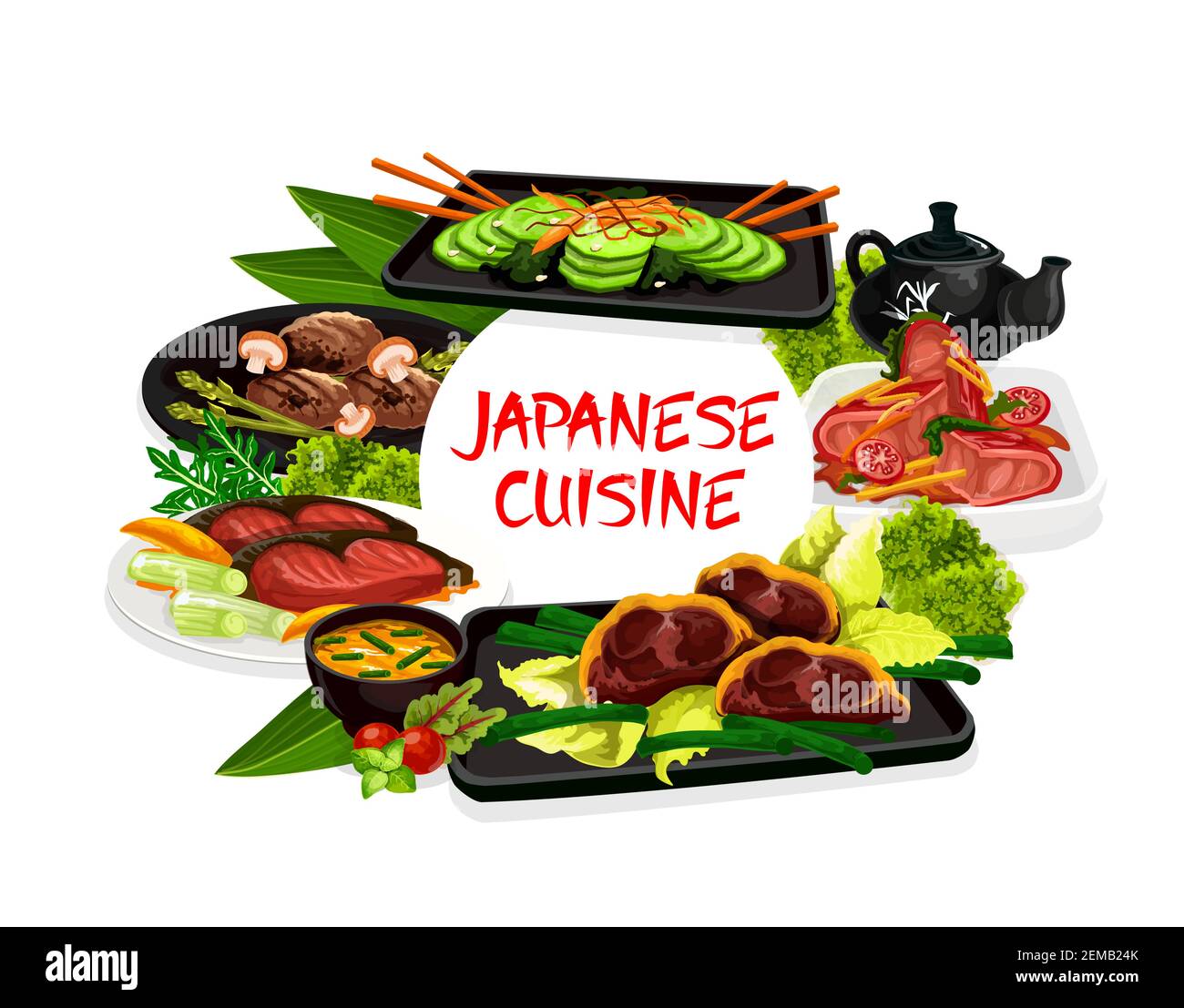
Itadakimasu - Thank You For the Food (Before Eating) Gochisousama Deshita - Thank You For The Meal (After Eating) After eating, Japanese people express their gratitude and thanks for the food once more by saying gochisousama deshita (ご馳走様でした). The literal meaning of the phrase is "It was a feast" but it is commonly translated as "Thank you for the meal", "What a.
Healthy Japanese food 11 Japanese dishes you must try

Thank You for the Food in Japanese. There are two cultural phrases in Japanese that have no direct translation in English, but more or less mean "thank you for this food". They are: いただきます (itadakimasu) ごうちそうさまでした (gouchisousama deshita) The first, いただきます (itadakimasu) is said before you start eating.
Find out which 100 Japanese foods you should try at least once! Japanese food

Yes, you can use both phrases in informal settings when dining with friends or family to show your appreciation for the meal. 7. Are there any other ways to express thanks for food in Japanese? Aside from "Itadakimasu" and "Gochisousama deshita," you can also say "Arigatou gozaimasu" (thank you very much) to show gratitude for the.
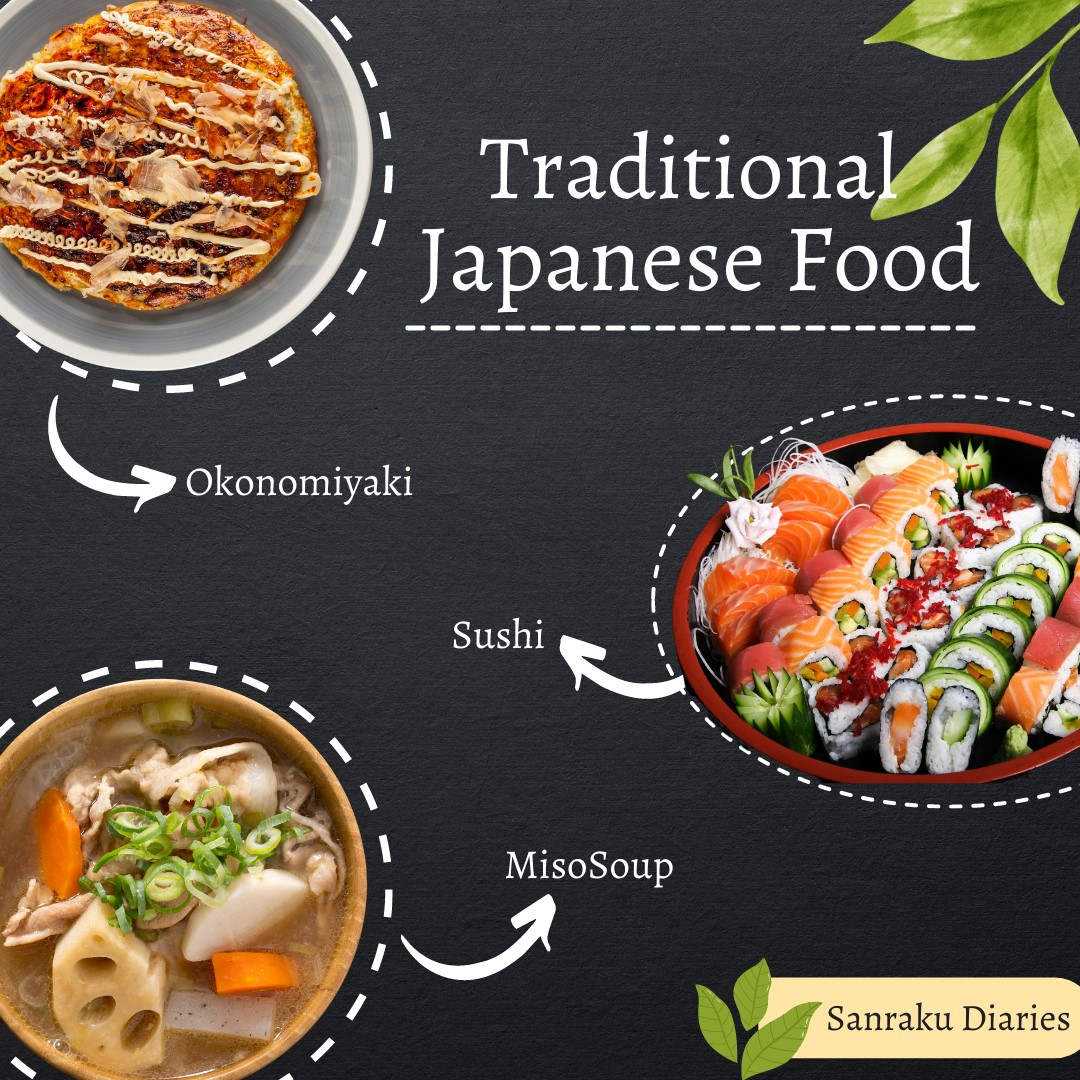
Discovering What are Traditional Japanese Foods Sanraku Restaurant
Also, when you visit Japan and eat at a restaurant, it is a very nice gesture to say ごちそうさまでした Gochisosama deshita to the waitress or the restaurant owner as you leave the restaurant. It will make them very happy to know that you enjoyed their food. Thank You in Japanese. So now you know various ways to say Thank You in Japanese.
A Quick Guide To Japanese Food. The Collective Powered by Topdeck Travel
3. "Arigatou gozaimasu" (ありがとうございます) - Although this phrase is more commonly used to say thank you in general, it can also be used after a meal to show appreciation. 4. "Osoreirimasu" (おそれいります) - This phrase is an extremely formal way to express gratitude after a meal, often used in very formal.
.