Section 1 Fossils Nitty Gritty Science
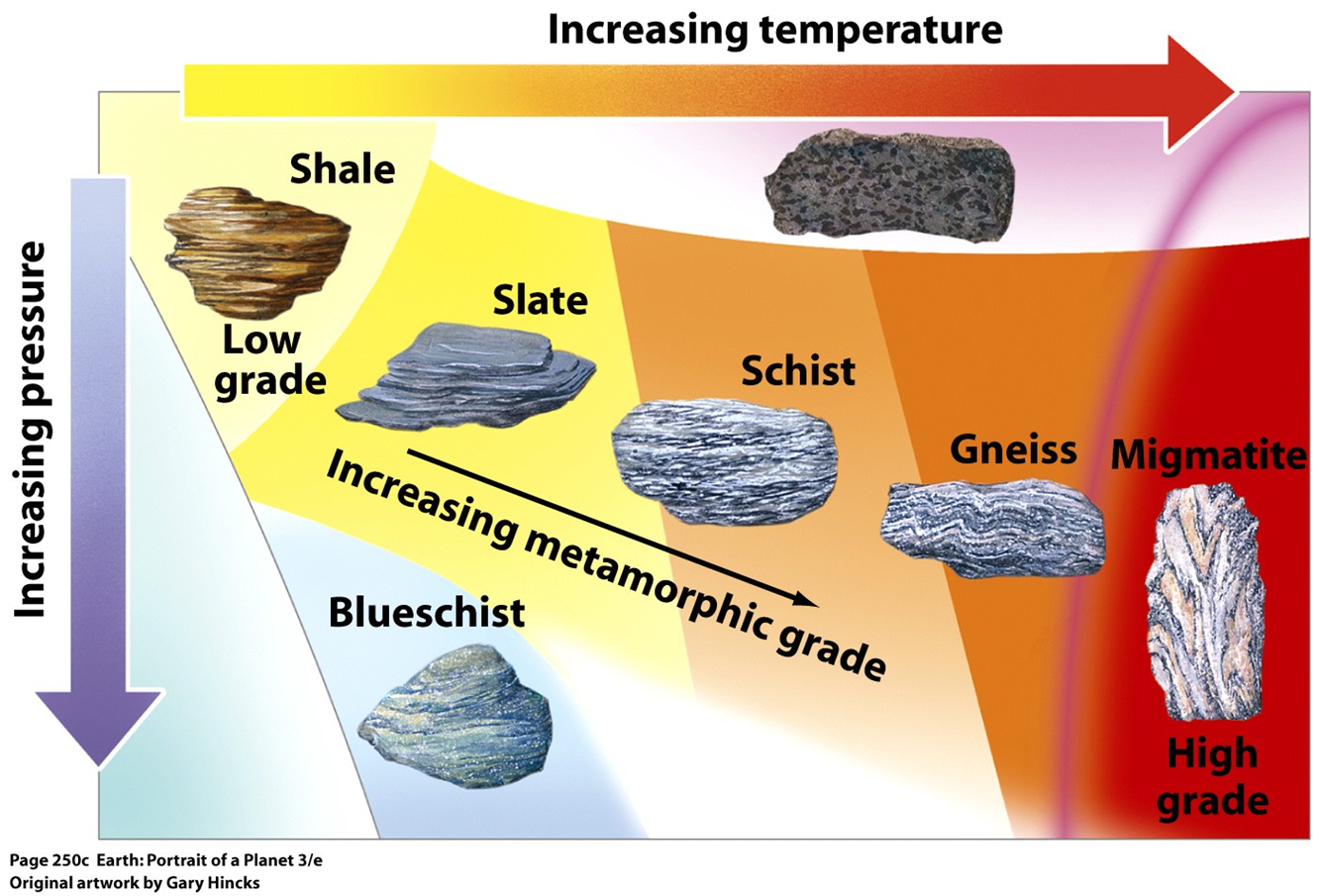
The answer lies in how the different types of rocks are formed. Igneous and metamorphic rocks undergo immense heat and pressure during geological processes, destroying any fossil remains within them. Sedimentary rock often contains fossils because it is formed differently. It consists of sandstone, limestone, or shale that was once mud or sand.
Archaeologists Are Using Tools And Equipment To Explore Fossils Found In Sedimentary Rocks Stock

Cross-bedding is a very important sedimentary structure to be able to recognize because it can provide information on the process of deposition, the direction of current flows and, when analyzed in detail, on other features like the rate of flow and the amount of sediment available. Figure 6.4.3 6.4. 3 Formation of cross-beds as a series of.
Fossils help scientists build a picture of the past—and present Smithsonian Insider Fossils

In certain conditions, and over a very long period of time, sediment becomes compacted and cemented into sedimentary rock. Fossils are more common in some kinds of sedimentary rocks than others. There are many factors that can contribute to the likelihood of an organism being preserved as a fossil. Fossils are most common in limestones. That is because most limestones consist partly or mostly.
PPT Sedimentary Rocks PowerPoint Presentation, free download ID3322590
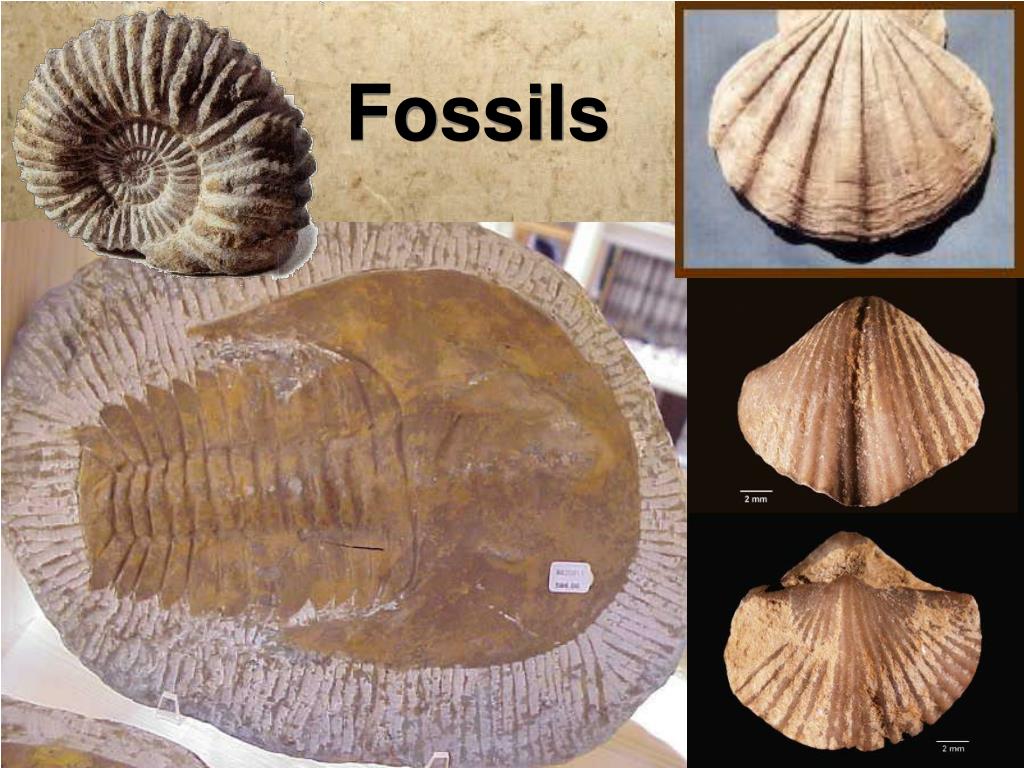
This huge collection of fossils is known as the fossil record. Fossils leave clues to the past. They are remains or traces of organisms that have been preserved in the rocks. Fossils are typically found in sedimentary rock, a type of rock that was deposited by wind or water. You can find sediments at the bottom of lakes, rivers, and oceans.
Fossils Can Be Often Found in Sedimentary Rocks & Here’s Why How to Find Rocks

The "Hell Creek Formation," found between Montana, Wyoming, and North and South Dakota, has produced most of the fossils in the U.S., including mammals, dinosaurs, fish, and amphibians. Utah, too, has one of the most complete fossil records on the planet, starting 2 billion years ago and featuring everything from mollusks to trilobites.
sediment layers Geology, Paleontology, Fossils

Fossils (from the Latin word fossilis, meaning "dug up") are the remains or traces of organisms that lived in the geologic past (older than the last 10,000 years), now preserved in the Earth's crust.Most organisms never become fossils, but instead decompose after death, and any hard parts are broken into tiny fragments. In order to become fossilized, an organism must be buried quickly.
Sedimentary Rocks Definition, Formation, Types, & Examples
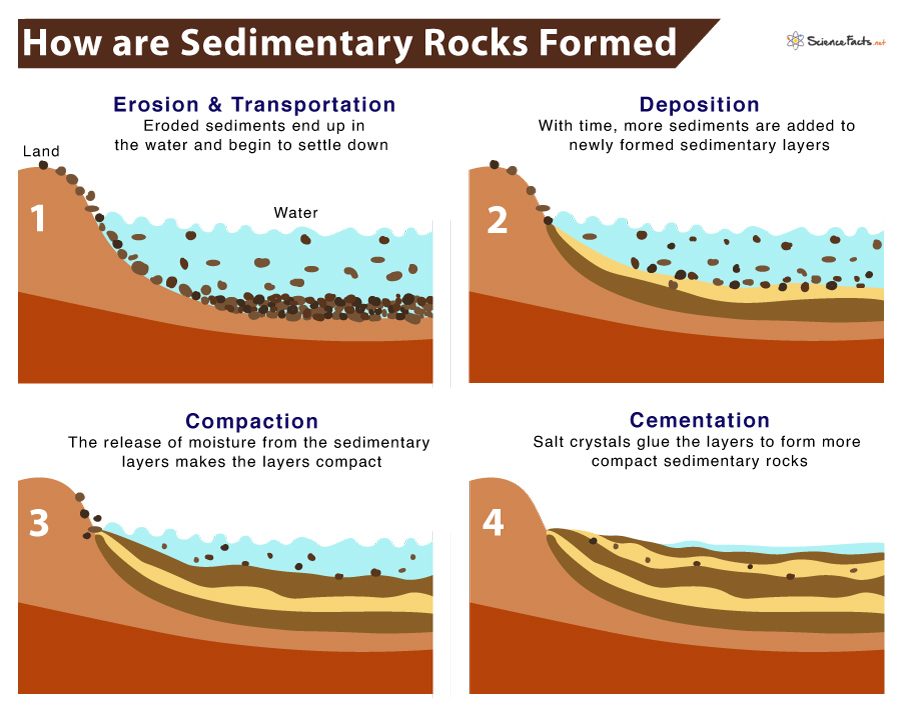
All these single particles of sand, rocks, mud and clay becomes sedimentary rocks mainly by through two major ways of lithification. Lithification means a process where sediments are transformed into sedimentary rocks. Cementation and compaction are both lithification processes that transform sediments into sedimentary rocks.
PPT Fossil Evidence of Evolution PowerPoint Presentation, free download ID2925305
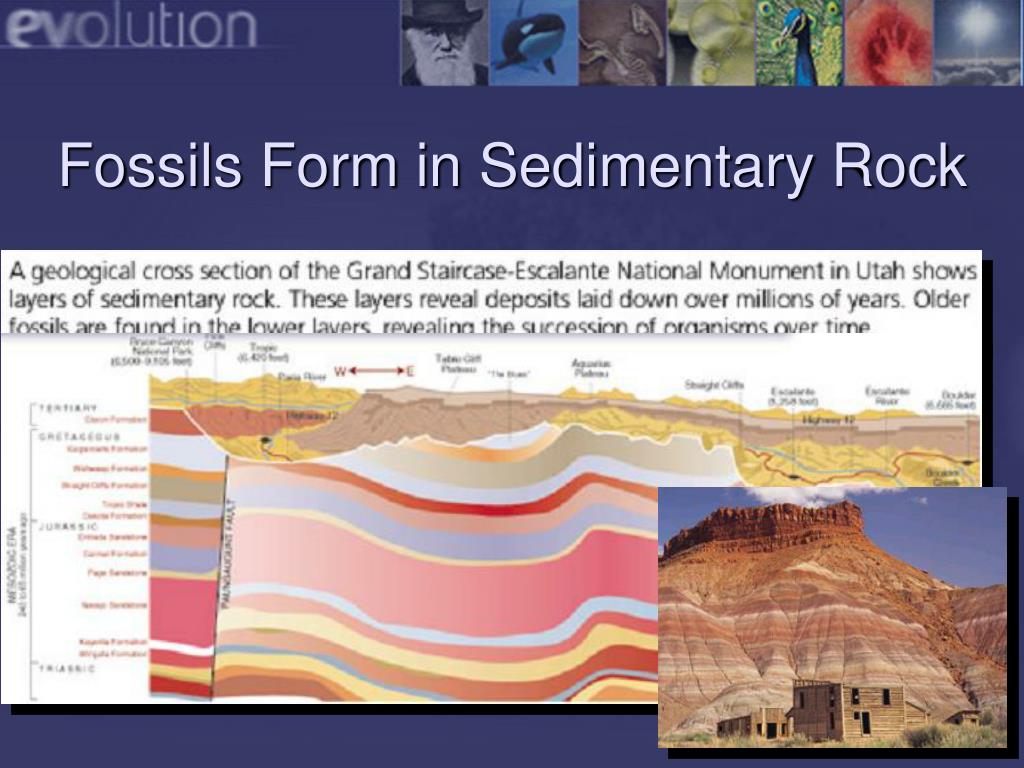
Rocks with Fossils. While the molten and partially molten material that make igneous rocks tend to wipe away the traces of ancient organisms, the temperatures and pressures producing metamorphic rocks typically obliterate any organic materials that they touch. As such, fossils usually only occur in sedimentary stones, where calmer conditions.
GEOL 204 The Fossil Record The Dynamic Earth Geology rocks, Geology, Science nature

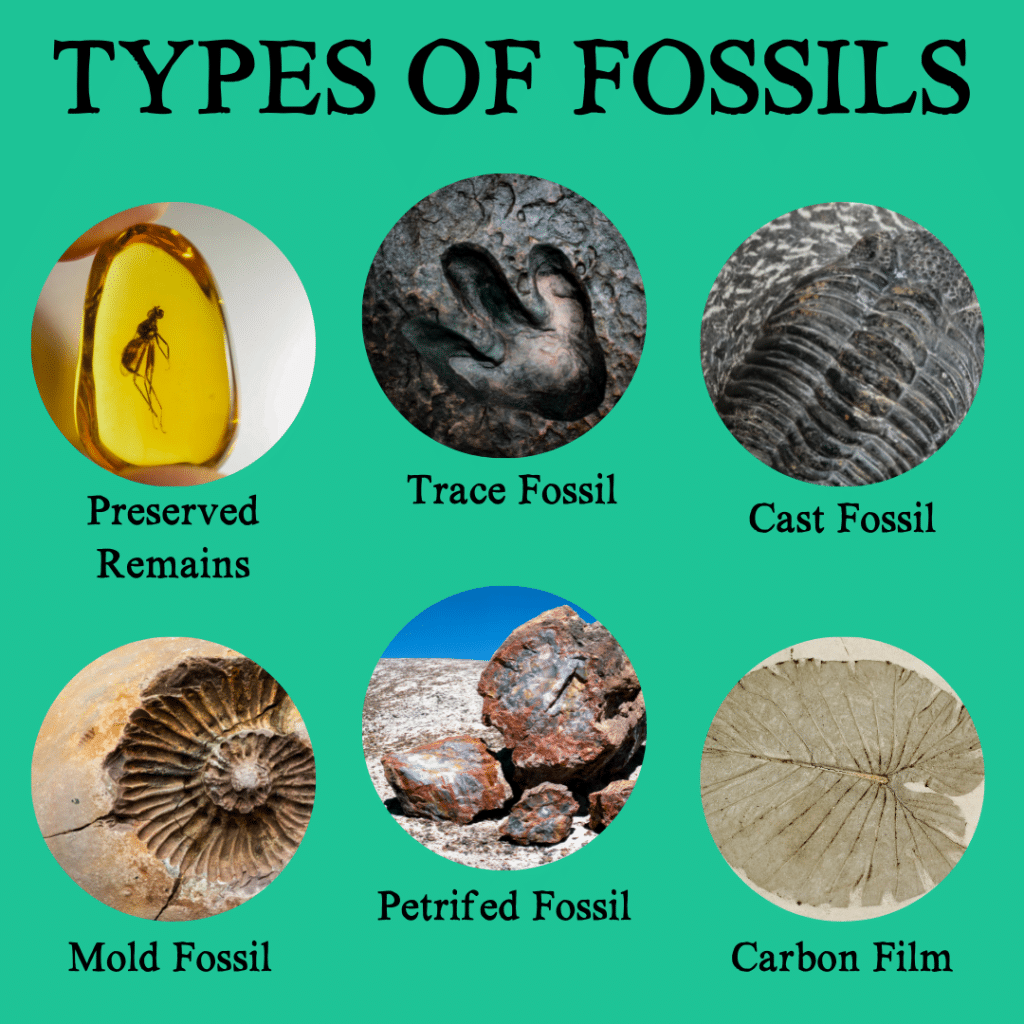
Adithyadash. a year ago. Key points. A fossil is the preserved evidence of an organism that lived in the distant past. Some fossils are formed from body parts, such as shells or bones. Others, such as preserved footprints, are from traces of an organism's behaviors. Fossils are usually found in sedimentary rock.
Compare fossils found in sedimentary rock to determine their

ORGANISMAL BIOLOGY EXAM 2 REVIEW CH 22. Get a hint. Why are fossils only found in sedimentary rock? Click the card to flip 👆. Fossils can only be found in sedimentary rock because they are the only type of rock that exposes the strata (the location of the fossil within the sedimentary rock) - fossil strata can tell you the relative age of.
How Fossils are Formed? Facts and Other Information

Limestone is a sedimentary rock made almost entirely of fossils. Fossils are the remains of ancient plants and animals, like an imprint in a rock or actual bones and shells that have turned into rock. Fossils are found in sedimentary rocks and hold the clues to life on Earth long ago. Limestone: You humans would know so little without rocks.
Sedimentary Rock Middle School Science Rocks!
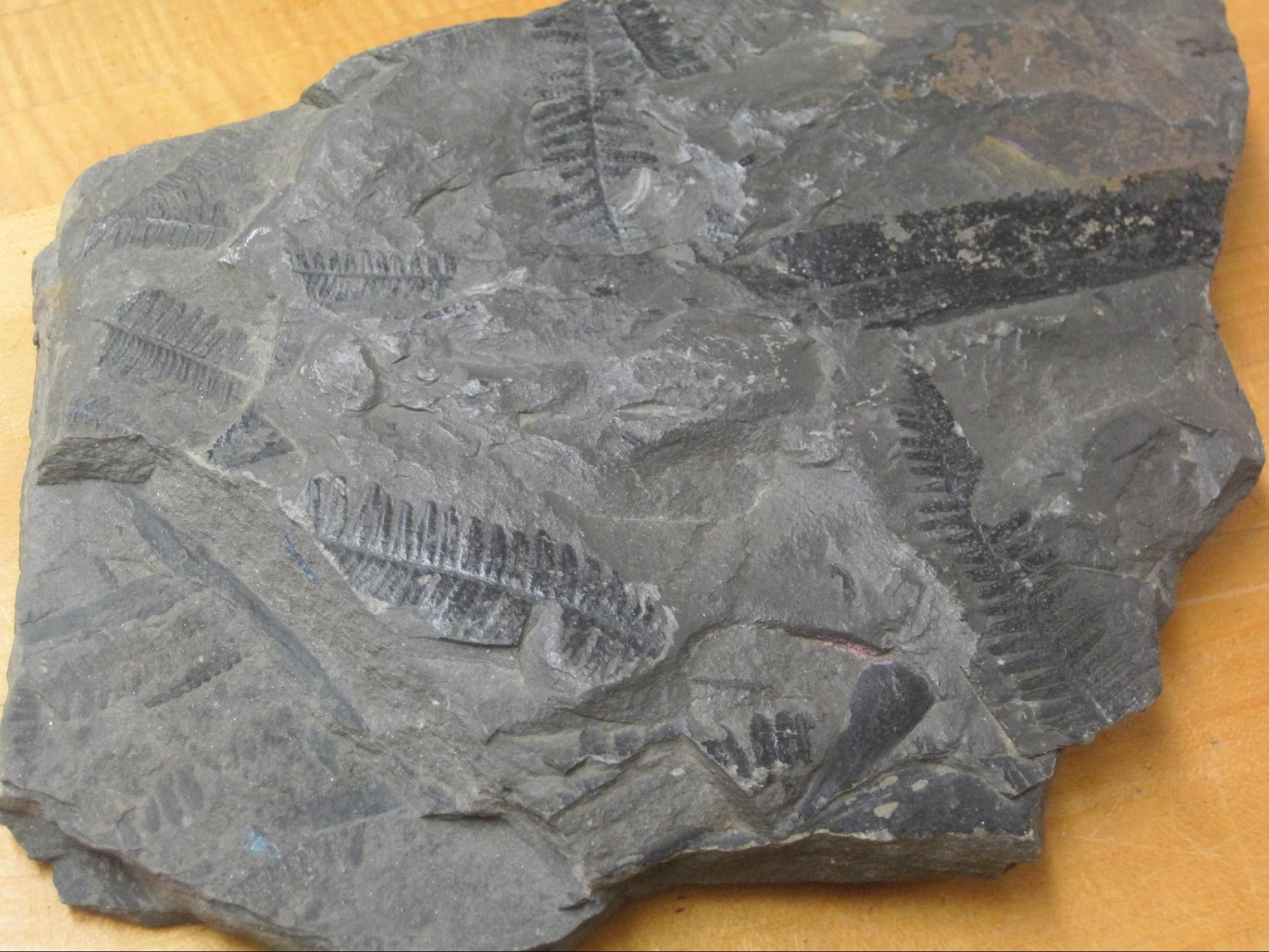
9.5 Sedimentary Structures and Fossils. So far you've learned that the characteristics of sedimentary rocks will depend on the environment in which they formed, because those environments determine what kinds of particles are available to make rocks, what ions are present, and how particles or ions move and accumulate.
Sedimentary Rock Middle School Science Rocks!
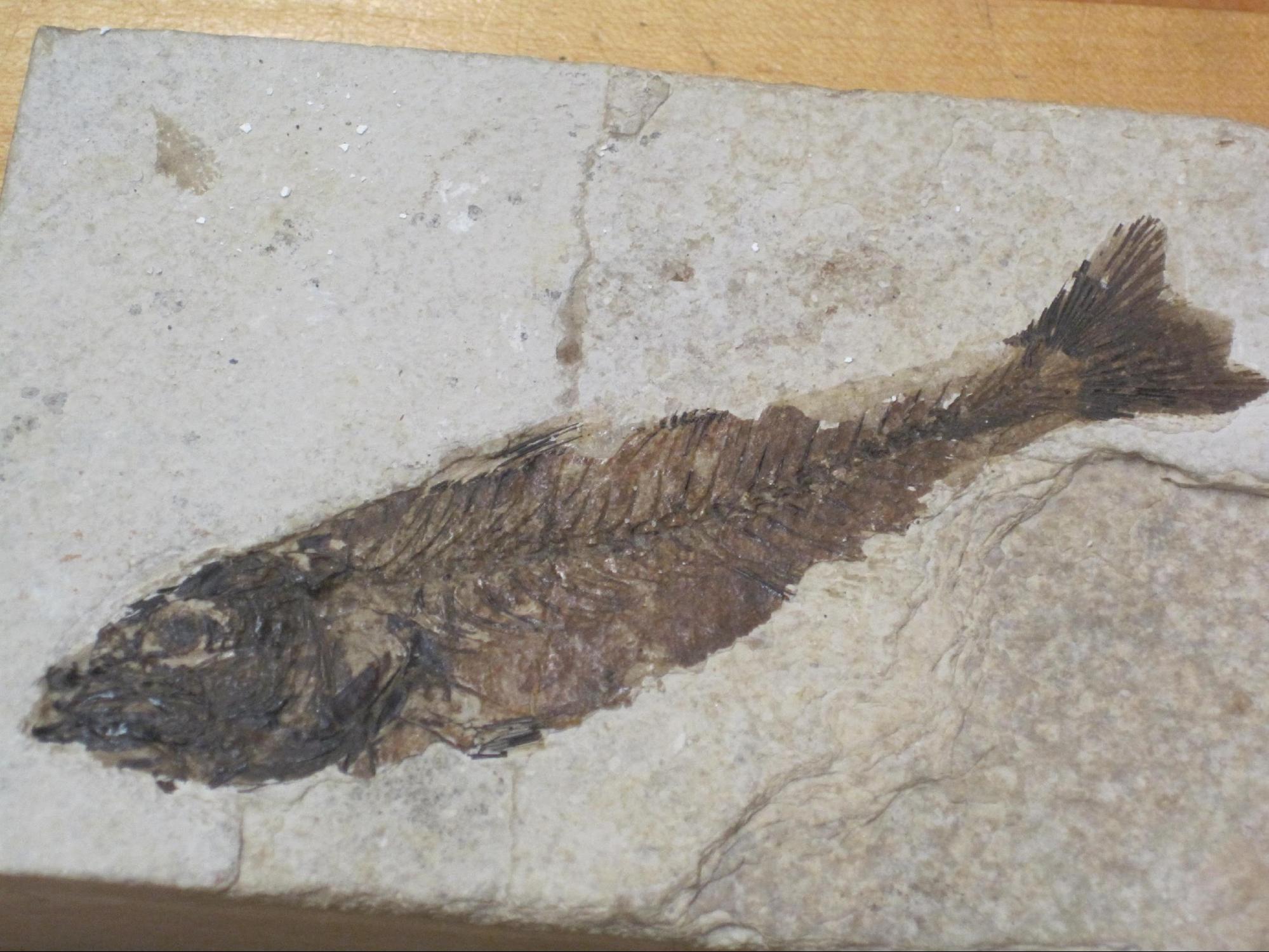
Finding fossils is a combination of hard work, chance and knowing where to look! Fossils are mostly found where sedimentary rocks of the right age are exposed, such as river valleys, cliffs and hillsides, and human-made exposures such as quarries and road cuttings. Most of the time, fossils are only partially uncovered on site, then removed.
Classifications of Rocks Sedimentary, Igneous and Metamorphic Civilsdaily
Exercise 6.4 Interpretation of Past Environments. Sedimentary rocks can tell us a great deal about the environmental conditions that existed during the time of their formation. Make some inferences about the source rock, weathering, sediment transportation, and deposition conditions that existed during the formation of the following rocks.
Sedimentary Rocks — lesson. Social Science, Class 8.

Explanation: Ok so there is a little bit of misunderstanding here. Fossils are never formed in sedimentary rocks, they are only preserved. So the reason we tend to see fossils mainly in sedimentary rocks is because if you have some type of marine life die, it will sink to the bottom and eventually become covered in sediment.
PPT Sedimentary Rocks, Fossils and Fossil Fuels PowerPoint Presentation ID6911630

Finally, the sedimentary rocks are the one type which can contain fossils because these rocks are formed on the Earth surface, under the water, at very low temperatures and pressures. In other words, the biosphere can only interact with the sediments. Answer link. See below. Well, as you know, there are three types of rocks.
.